I’ve spent years arguing that padwork is overrated. So naturally, I found myself in Tokyo, paying top dollar for a private session with the most expensive padman I could find.
It’s December 2025, and I was trying to fit in as much training as possible before the gyms started shutting down over the Christmas and New Year period, but I hadn’t done any work with a striking coach. I sent out a few messages, and a lot of places were already closed, but I got through to Vaselius gym.
The gym is owned by Takeru, and if you follow them on Instagram, you’ll know the image: coaches assembled like the padman equivalent of Voltron, calf kick shields, thigh kick shields, body shield, Thai pads, focus mitts. The whole arsenal. Combined with lightning-fast calf kicks, toe kicks, and combinations from some of the best strikers in the world, it makes for an impressive visual.
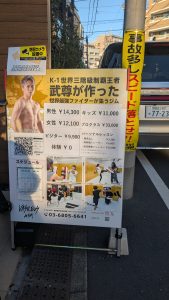
They offer private pad sessions with all their coaches, with the most expensive being head coach Masakazu Watanabe. I figured, who knows if I’ll ever get the chance to get back there, so if I’m going to do it, let’s go straight to the top.
The Honest Case Against Padwork
Before I get into the session, I should be upfront: back home, I’ve never been a huge fan of padwork. Not that I think it’s useless. It can be fun, you can throw with real power, you can work on specifics, and it’s something every fighter needs to understand. But I’ve seen it too many times where someone looks incredible on the pads, and then the moment they’re in a live situation, it’s a completely different person.
That gap tells you something.
To me, padwork is a tool. And like any tool, it reaches a point of diminishing returns compared to live work. Could you make it more realistic and valuable? Absolutely. The padman striking back, moving like a fighter, changing timing, making it feel less like a choreographed dance routine. But far too often, sessions drift into long, complicated sequences that fighters have forgotten within two weeks and would never pull off in a fight anyway.
You could still make a case for those elaborate combinations if you’re honest about what you’re actually training. A nine-punch combo is never happening in a real fight. But the two or three punch sections that make it up? Those can and do happen. That’s the real benefit, if the fighter understands it that way.
The problem is when someone has logged hundreds of hours on pads but never developed the timing, distance, or entries required to even begin a combination. Then they rely on physical presence or luck to land anything. The padwork gave them the movement without the understanding.
So, Why Does Everyone Love It?
Here’s the thing, though. I completely understand why people love hitting pads. It feels incredible.
The crack when a shot lands clean. The feeling of nailing a combination perfectly. You get to look and feel like all the fighters you’ve admired, without any risk of getting dropped. It’s errorless learning at its finest.
And there’s an instant human connection with the pad holder. Their full attention is on you. Without even realising it, you’re already looking for their approval, and with minimal effort, they can give it to you. The command comes, you execute, you’re rewarded immediately. If that pad holder has a reputation? Even better. Their credibility gets transferred onto you in real time.
You work up a sweat. Endorphins are pumping. You walk away uninjured and feeling good. Learn a few slick combinations, and suddenly you’ve got something worth filming and showing your mates.
Within a fairly short period of time, almost anyone can string together something that looks and feels legitimate. Few other training methods can build that kind of confidence that quickly.
The Psychology of the Padman
Here’s where it gets interesting.
You would have to be having a genuinely terrible day to flub every combination a pad holder calls out. And a pad holder would have to be in a particularly bad mood not to accommodate your level. The result? At the end of every pad session, you walk away as the winner of that exchange in your own mind.
Contrast that with any form of sparring, live work, or partner drilling. There’s always a chance you come out the other side having clearly done worse than your partners. That’s a crucial part of the learning process, but it’s a painful one that most people instinctively want to avoid.
Nobody ever walks away thinking the padman got the better of them.
That’s why I think you’ll often see MMA fighters switch camps because of a padman, but rarely because of a wrestling coach or a jiu-jitsu coach. Of course, the current meta in fighting lends itself to that as well, but a great wrestling coach might make you feel terrible. A great jiu-jitsu coach might make you feel genuinely incompetent. Learning in those sports often involves being taken down, held down, and submitted, repeatedly, until something clicks. The Padman never has to be the bearer of that kind of news.
And when you combine that with a padman who might not even own a gym, so he doesn’t have to worry about all the business side of things that can turn a lot of fighters off, then you have someone who can be entirely devoted to building the confidence of a fighter. Not a bad gig.
The Dark Side
Of course, there is a dark side to all of this. That confidence-building can tip over into delusion. Ronda Rousey is a prime example. With enough padwork and the right promotion behind her, she ended up on the cover of Ring Magazine, drifting further from her judo foundations and deeper into a new identity built on confidence from hitting pads. Eventually, that meets up with reality. If those long combinations against a stationary target don’t transfer to live work, then you are still a sitting duck against someone with a decent jab-cross.
And being a padman itself isn’t without its costs. It can take a tremendous toll on the body, particularly the shoulders. And once those go, all the confidence and clout-building won’t pay for the surgery. I am reminded of my interview with Mittmaster Matt Chapman who told a story about Ricky Hatton’s padman who used to have to inject his wrists with anaesthetic before every session of holding pads for him, and eventually that sacrifice was returned by Ricky Hatton dropping him and moving to another coach who could probably build more confidence in him without the hindrance of a failing body.
“You get brutalised by your students and destroyed, then discarded when they no longer need you” – Mittmaster Matt Chapman
The Session
So how was it?
I walk in and get instructions to start shadowboxing. I started going. As it neared the 30-minute mark with no pads in sight, I started to wonder what exactly was happening. Was he waiting for me to stop? Was this a test? Stray glances weren’t clearing it up. But then I caught myself, because what do I tell my own students? Keep doing what I’ve asked until I tell you to stop. So I kept going. There was something genuinely enjoyable about being a student again rather than the one giving the instructions, and just trusting the process without needing to know where it was headed.
A little while longer, and he pads up, and we start going through some combinations.
I land some kicks, and he gives me an “Ooooooo,” as if to indicate he was surprised by my power. At least that’s what I took it to mean. Either way, it felt good.
Then he asks if I know how to do calf kicks. I say no, because I want to see how he would teach it. He gives me a brief instruction, and we’re going. Box ticked for throwing calf kicks at Vaselius gym, landing combinations into calf kicks just like I’d seen on Instagram.
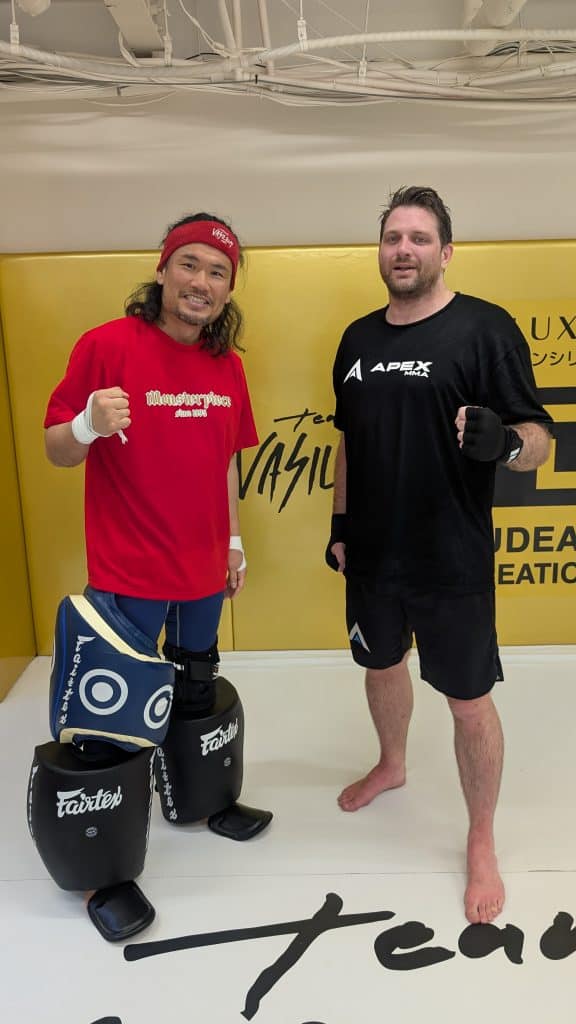
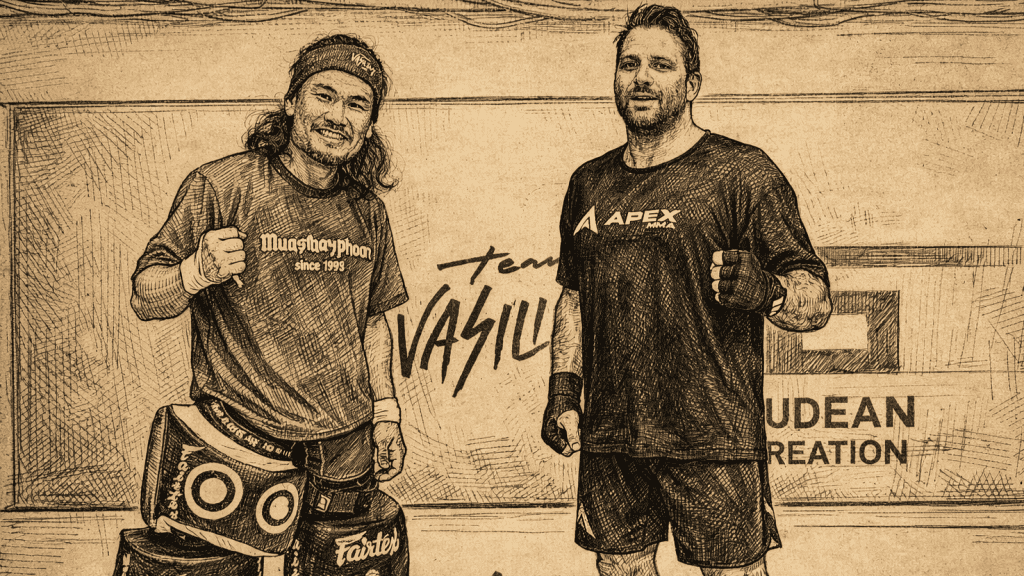
He then asks if I know the Mikazuki kick. Again, I say no, and he motions to “Mikazuki boy” to come over and demonstrate. So now I’m knocking out calf kicks to Mikazuki kick combinations with Masakazu Watanabe, trademark long hair, a sweatband, and full-body armour. How good is that?
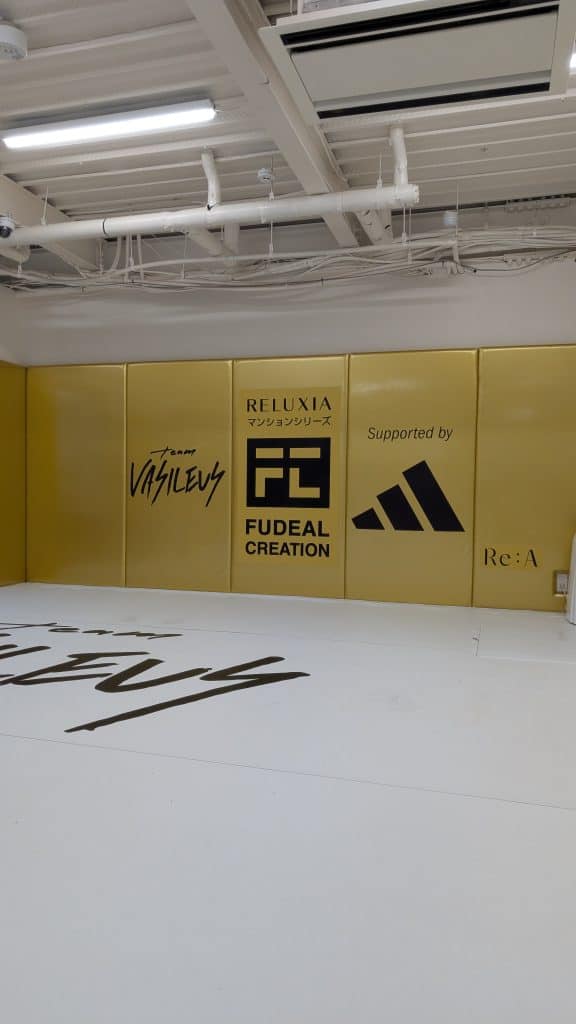
We finish up, pick up some cool combinations along the way, and then at the end, we stand for a photo. I’ll be honest, I’m prone to overthinking this stuff. At the end of the day, I’m just a bloke throwing punches and kicks in a gym. All that analysis about confidence, credibility transfer, how people want to feel, maybe that’s just me disappearing down a rabbit hole of navel-gazing with no real-world application. I’d even started wondering whether the long hair, the sweatband, and the gold-and-white mats were all deliberately constructed or just incidental details I was reading too much into.
And then he stepped back, pointed at the Vaselius logo on the mat, then turned and pointed at the one on the wall, and made sure both were in frame before the photo was taken. It was all confirmed in that one moment. None of it was incidental.
That part stuck with me. The branding, the look, the feel. I get it.
Was It Worth It?
Without a doubt, I could have learned the same combinations in a regular class setting. The gym offers a regular timetable including beginner classes. But I didn’t want a regular class. I wanted a pad round with one of the top guys. I got exactly what I was looking for, and the team there was all friendly and welcoming. It was great fun, and I had a great day.
As I was reflecting on the session while having an Acai bowl on the ground floor of the three-level establishment, “The Vaselius Cafe”, a dedicated cafe and merch store, I realised that maybe that’s exactly the point. The real value of that session wasn’t the calf kick or the mikazuki combination. It was finally understanding, from the inside, why people want to do pad rounds with the padman in the first place.
Overall, it was how I felt, how I wanted to feel, and how powerful that is, for not just pads, but life in general. How are the people around you feeling? The vibe, as it is often more important to them than results or reality.